DECODE, our rookie season
2025–26. Two qualifiers, two completely different robots, two awards. This is the full story, including what didn't work.
How it started
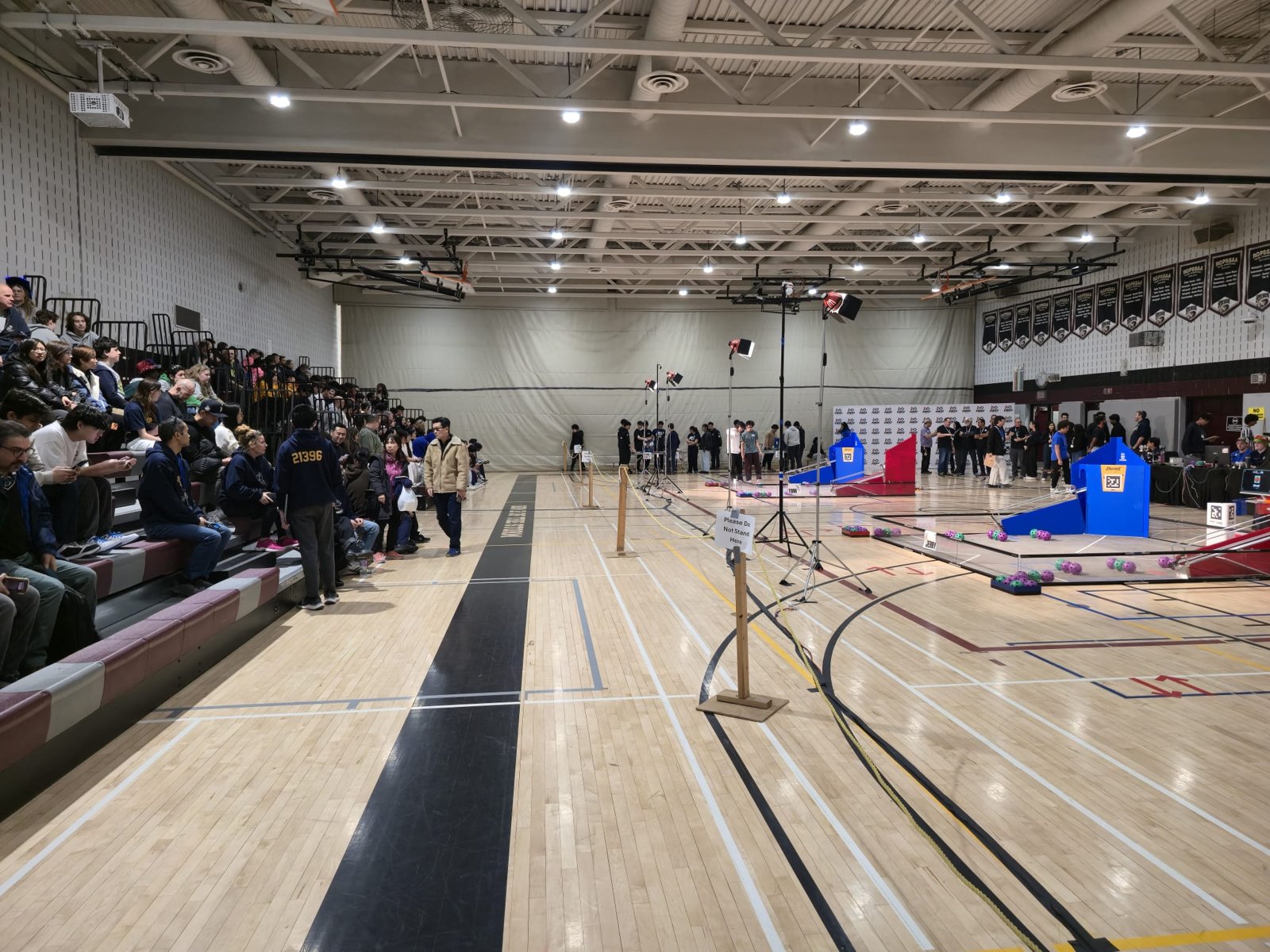
Each FTC season introduces a new game every September, and teams get a matter of weeks to design, build, program and test a robot before the first event. DECODE was that game for 2025–26, and for DragonFire it was also our first season competing together as a community team.
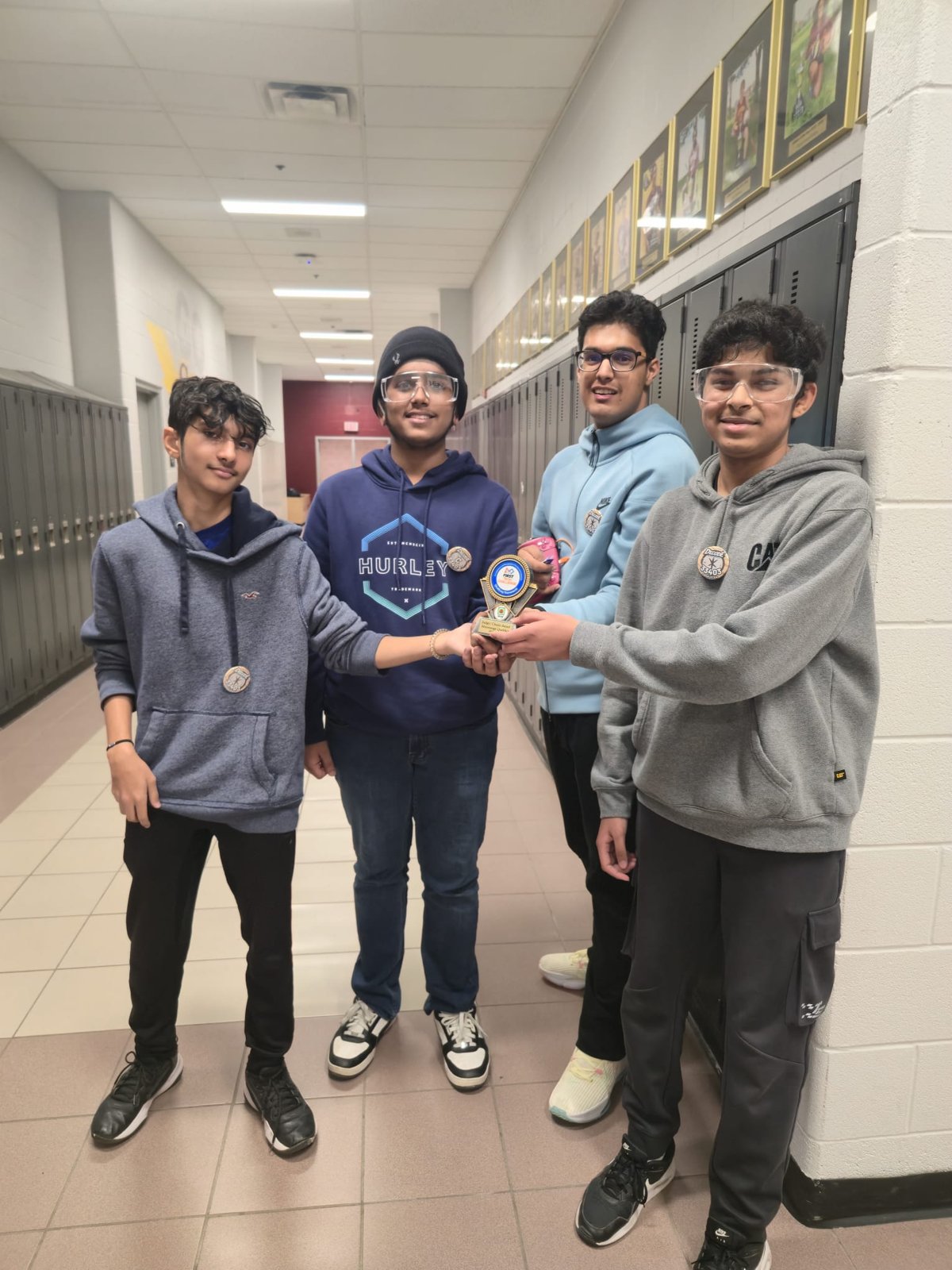
Sameer, Rohan and Ayan had each been involved in FTC before, but this was the first year they came together under the DragonFire name. Manjodh joined soon after in a support role. The goal was straightforward: spend as little as possible, never skip what the robot actually needed, and see how far a brand-new team could go.
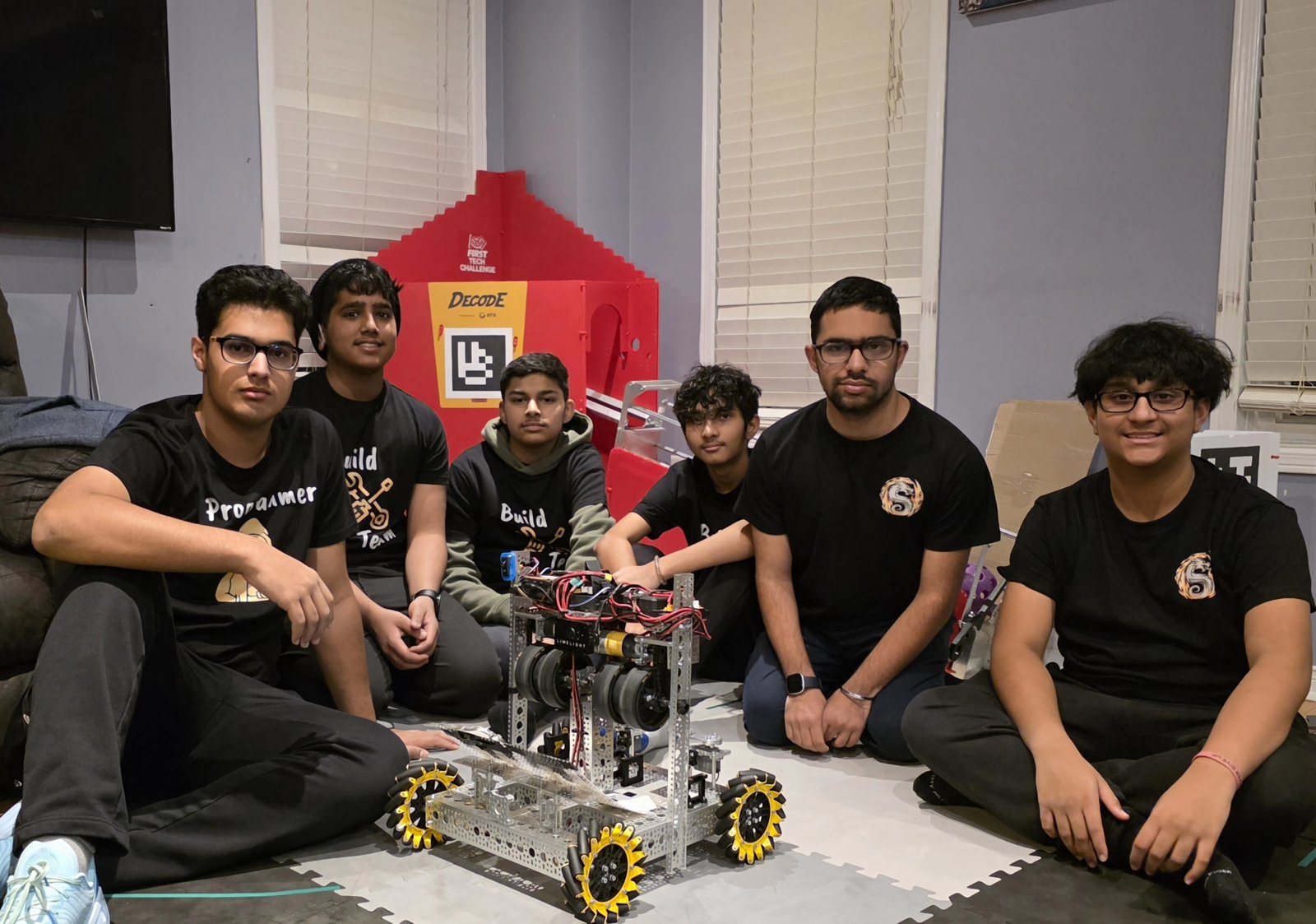
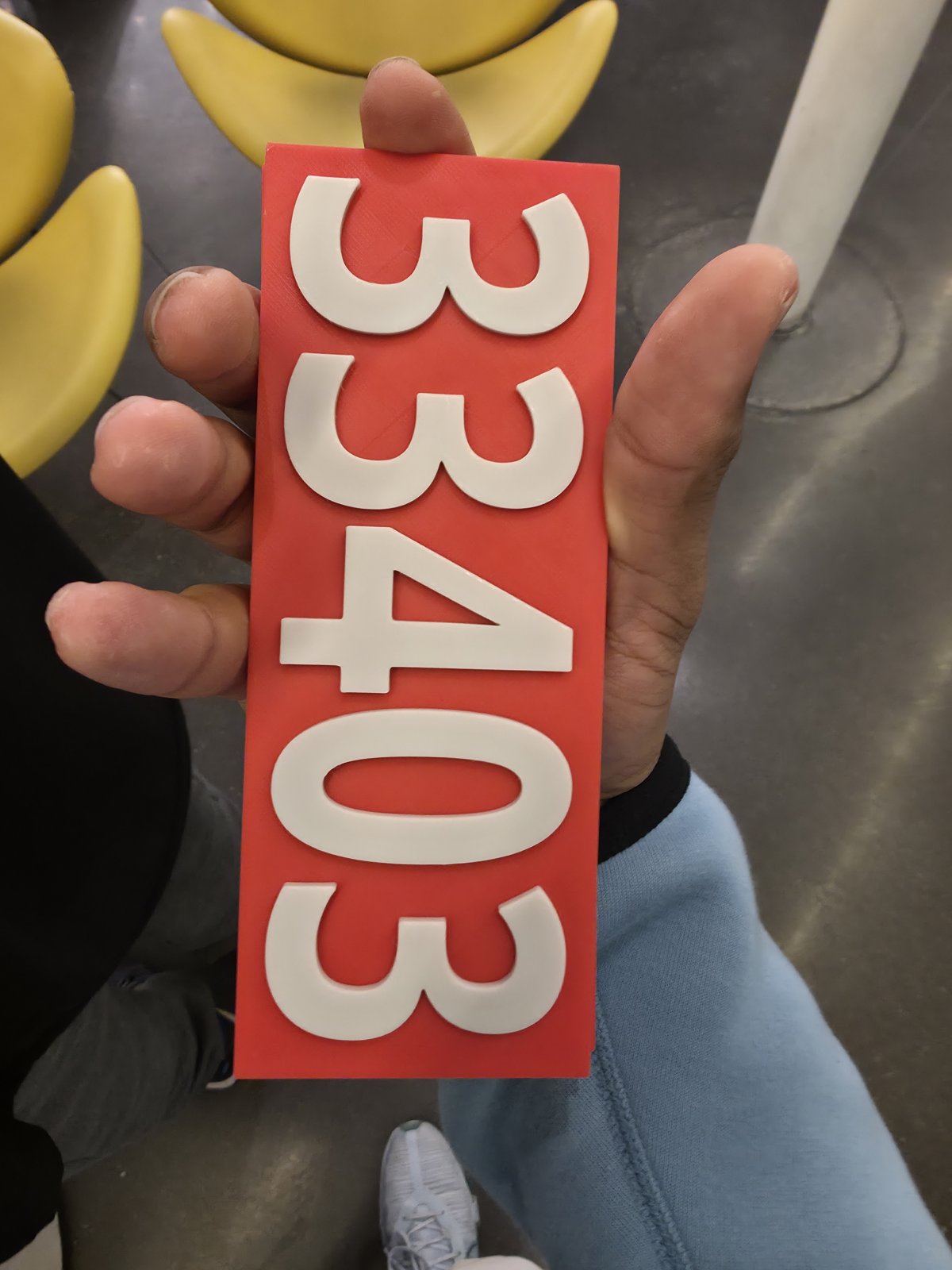
Two robots in one season
The elevator
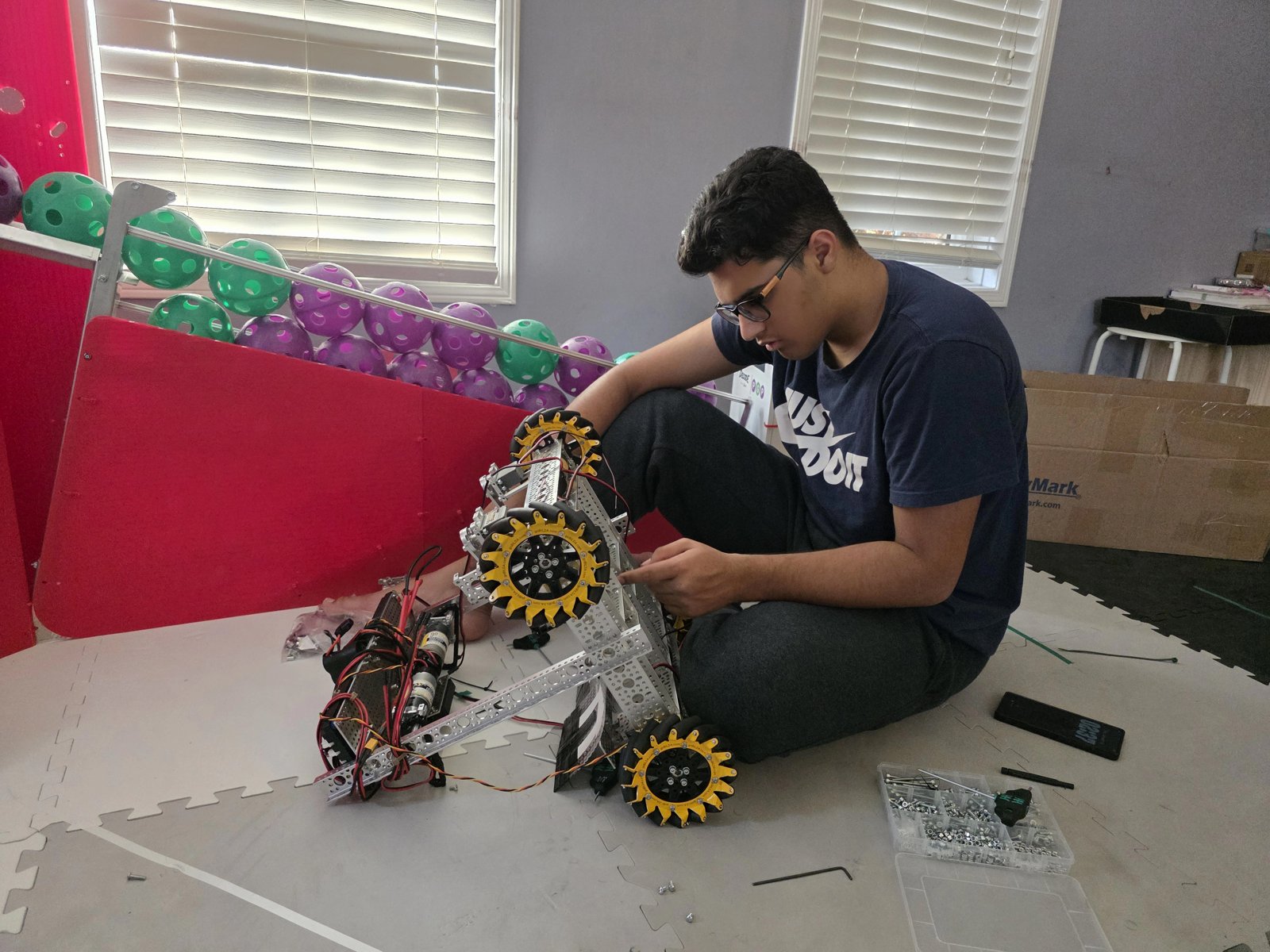
Our first competition build centred on a vertical lift that raised the entire robot 18 inches in the final 30 seconds of a match, creating a platform for an alliance partner to park underneath for bonus points. We ran a single shooter and attempted an intake that didn't perform as intended, one of the key lessons we carried into the redesign.
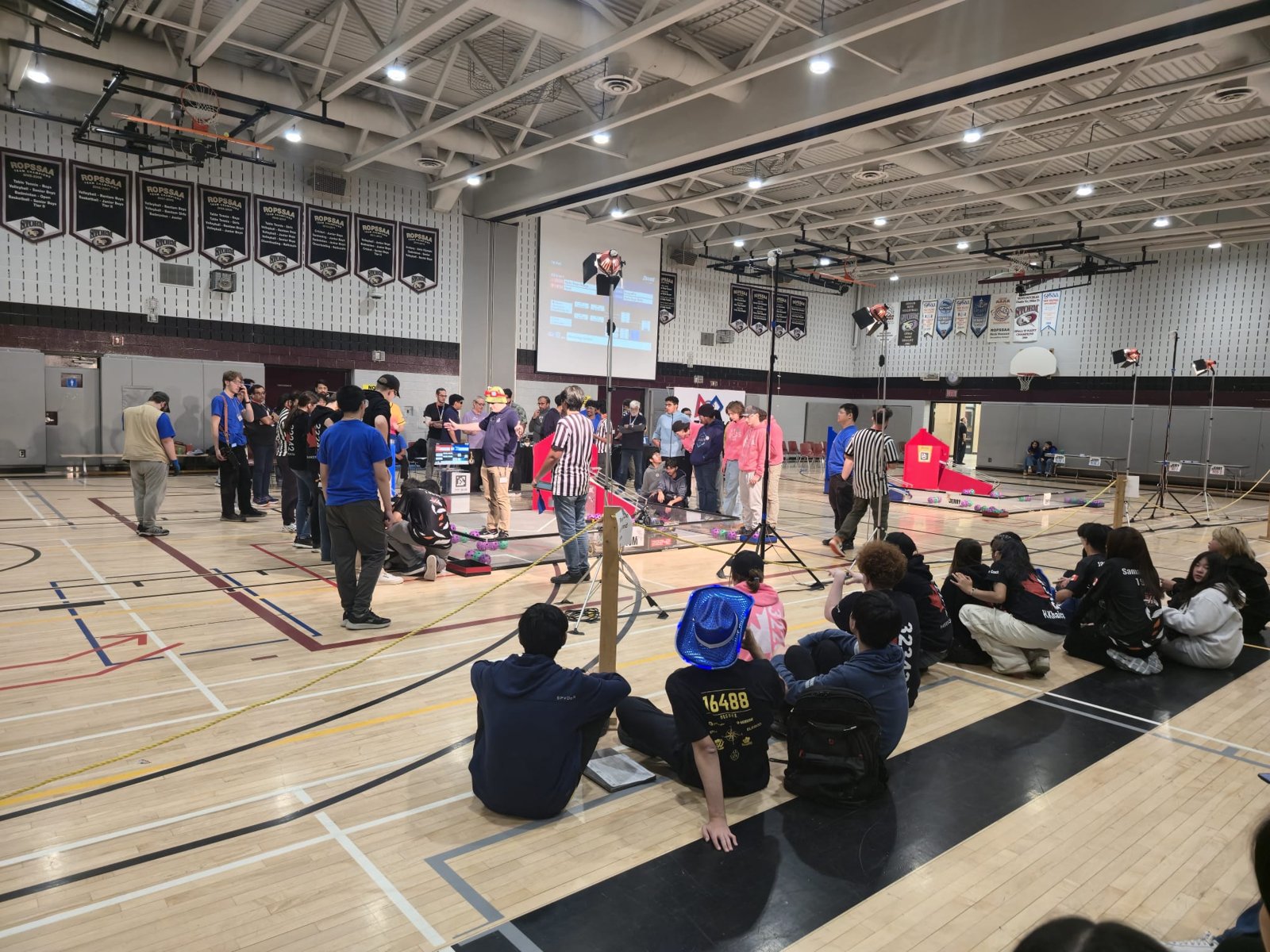
Result: Judges' Choice Award and 3rd place in the playoffs.
The dual shooter
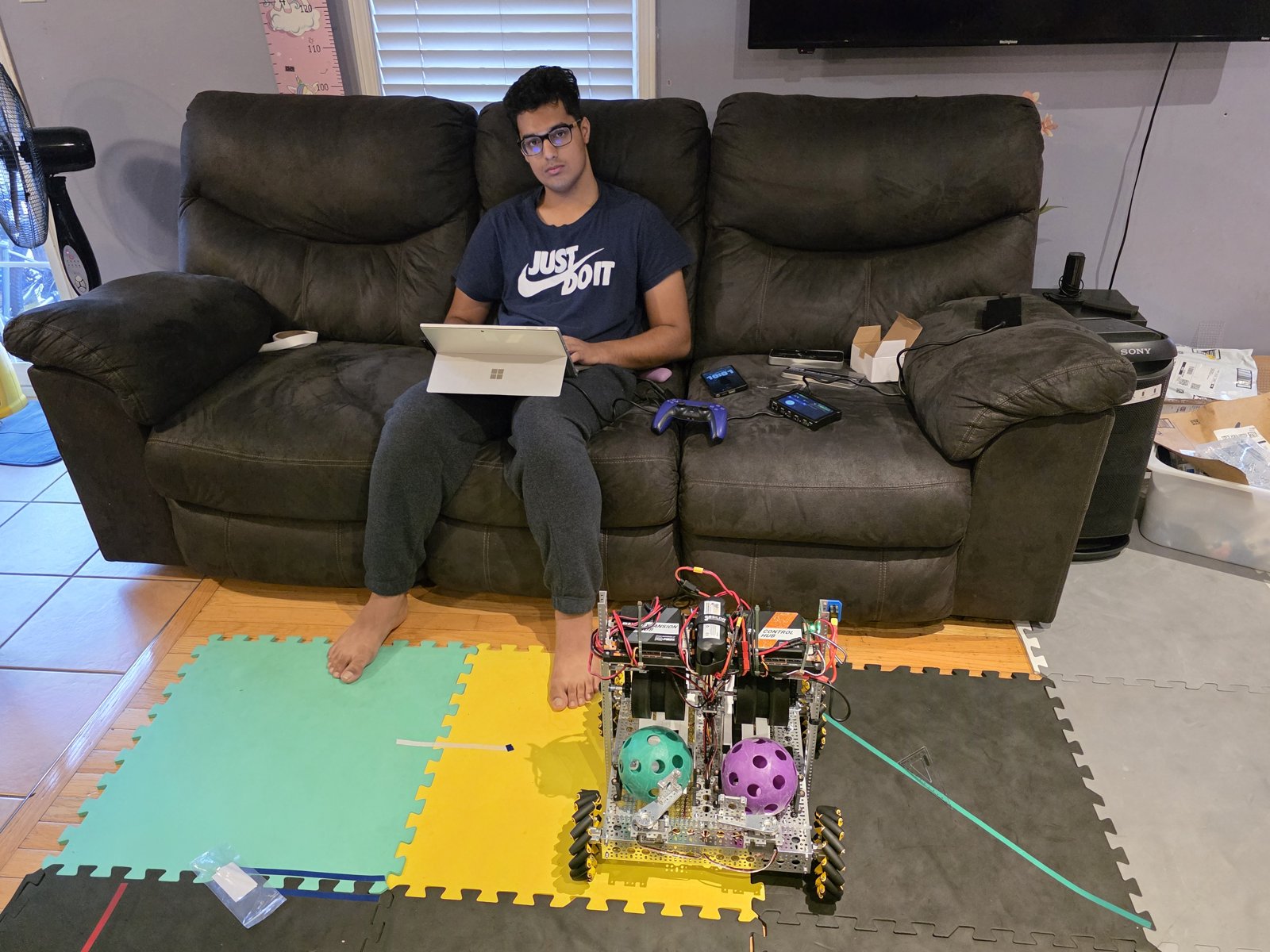
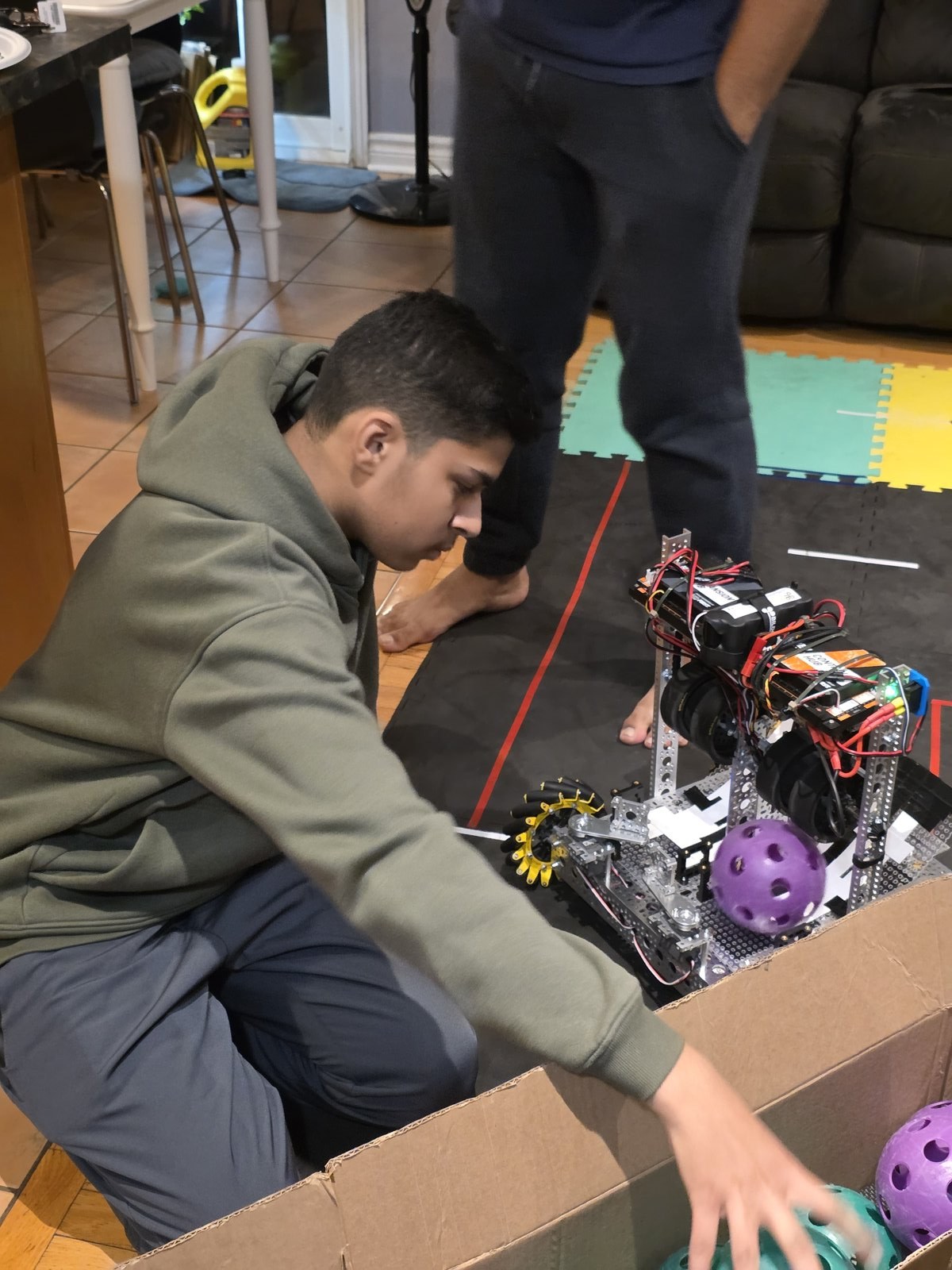
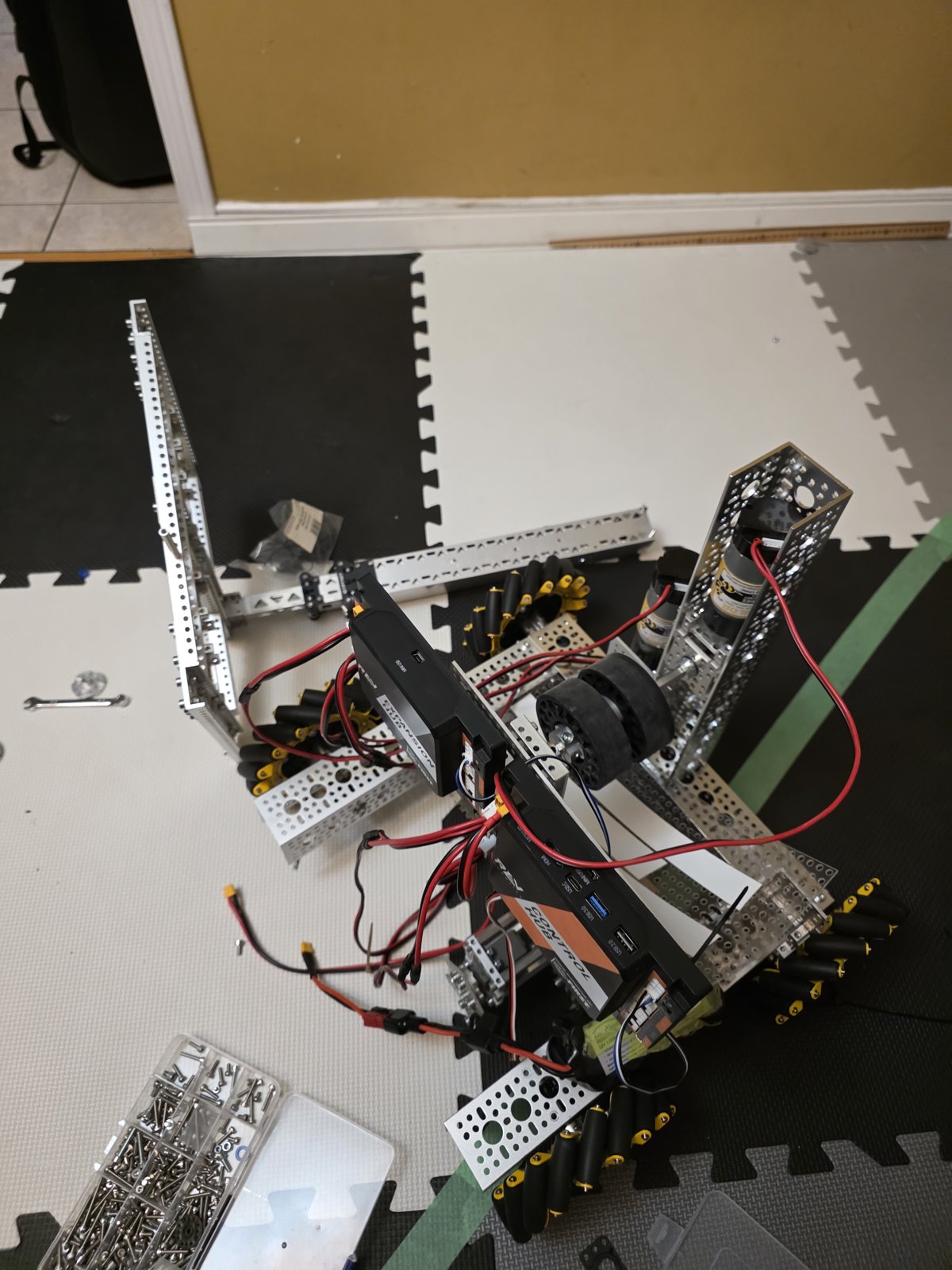
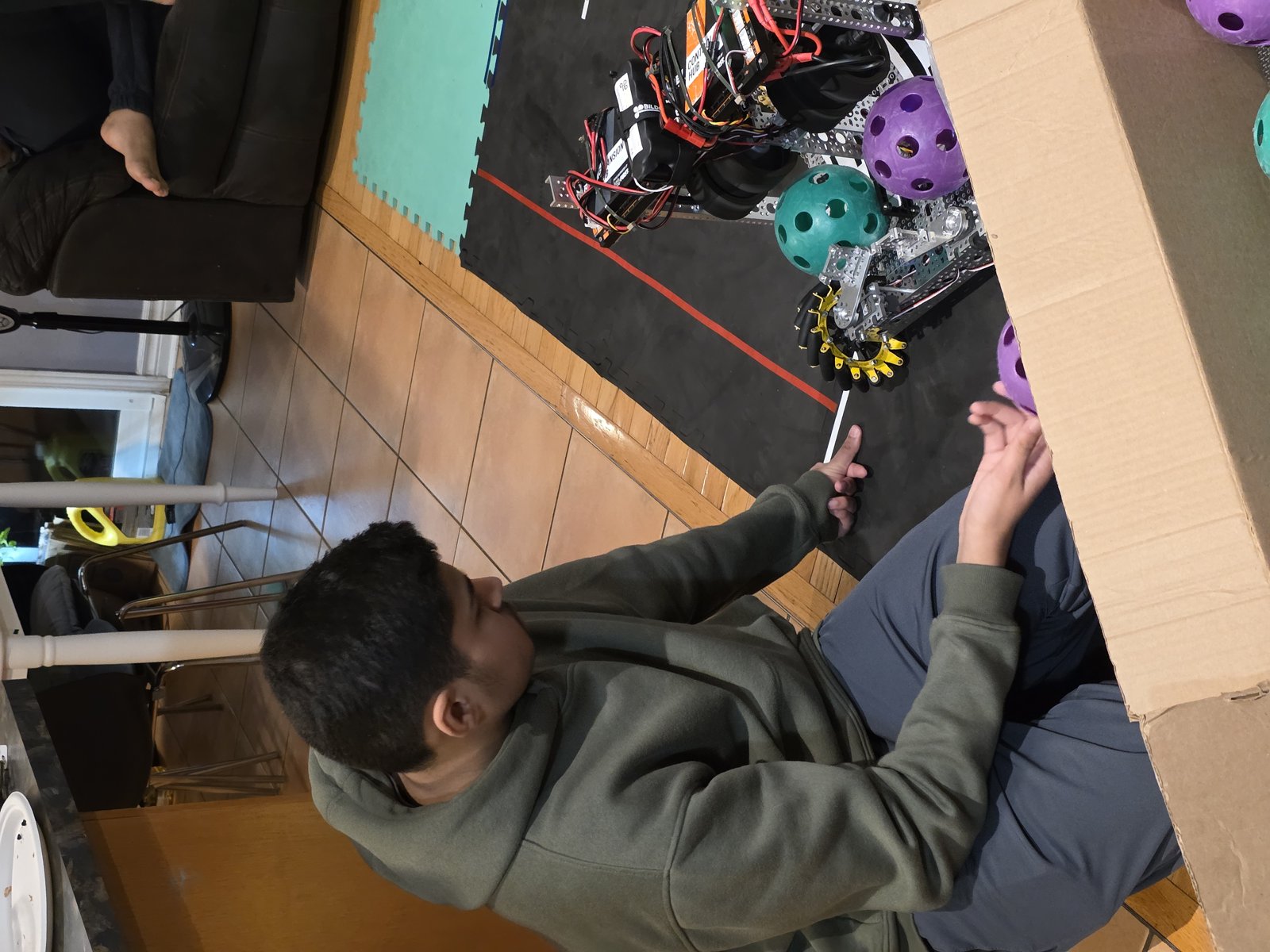
Between events the team decided not to patch the old robot but to rebuild it. The elevator was scrapped and replaced with a dual-shooter system fed by the human player. The breakthrough was auto-centering: once a ball was loaded, the vision system locked onto the target and fired the moment the human player stepped clear, cutting driver reaction time and making scoring consistent under pressure.
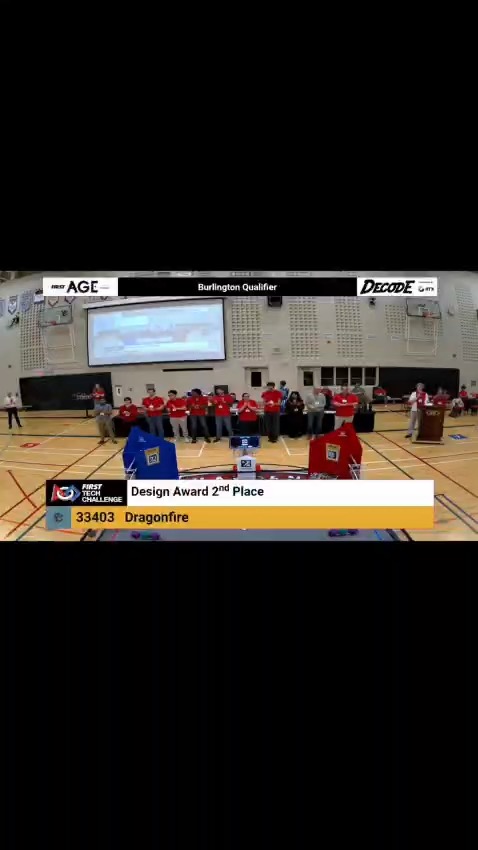
Result: Design Award, 2nd place. A completely different robot, a different set of judges, and a second engineering award in a row.
Both designs shared one foundation: mecanum wheels throughout, chosen for strafing and repositioning without turning, which kept the autonomous routine accurate.
What it earned us
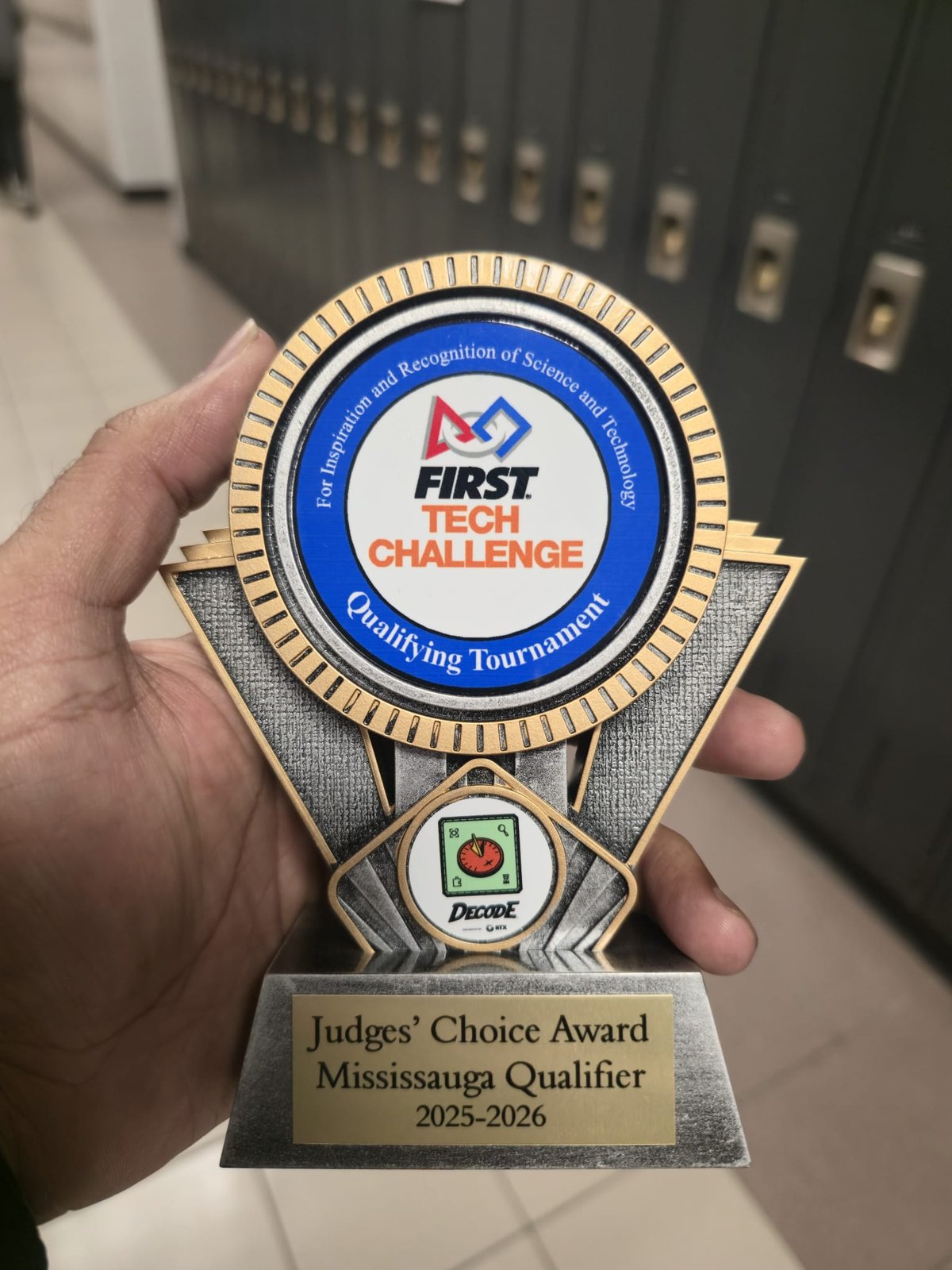
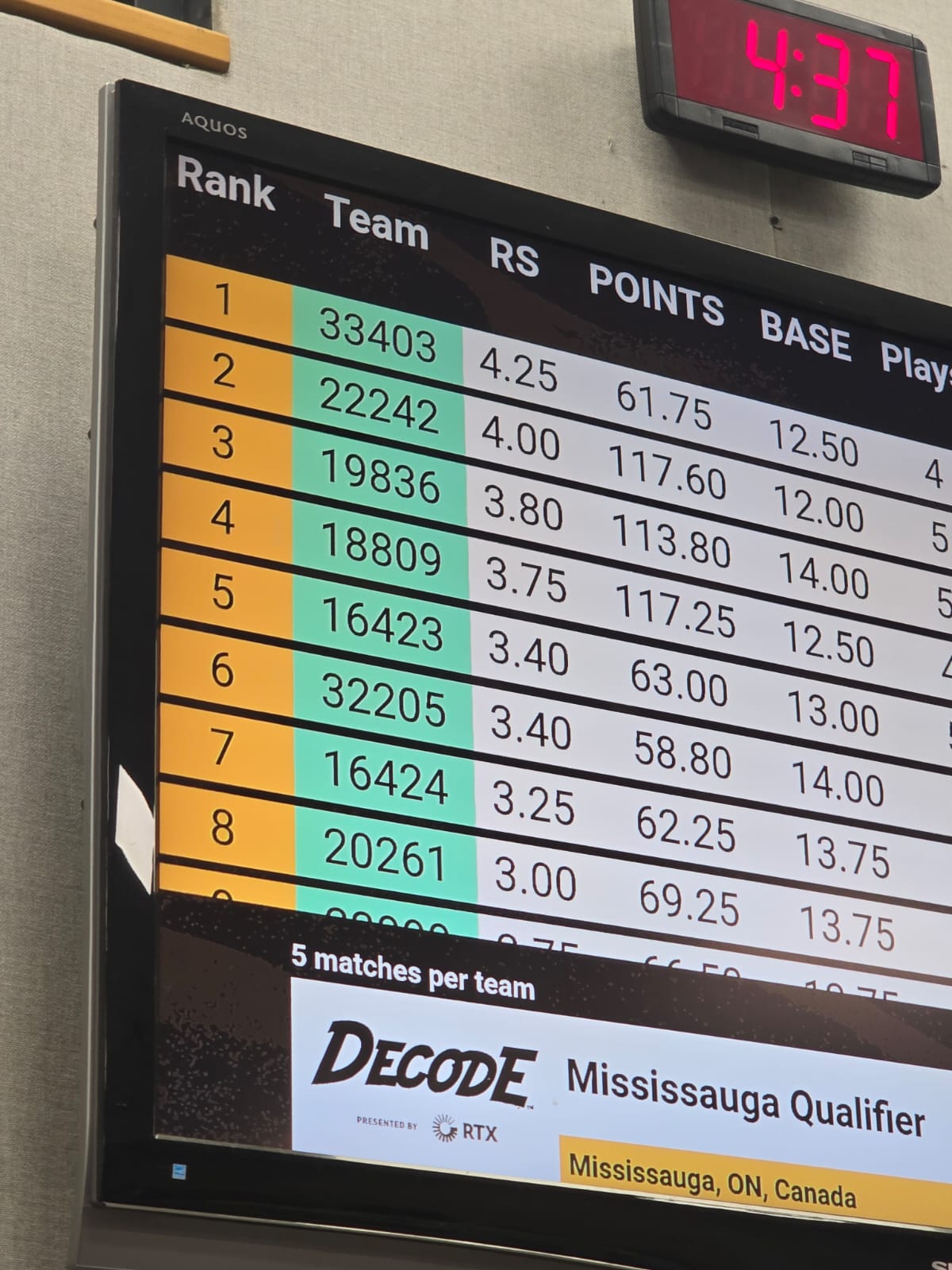
The Mississauga judges told us directly: excellent potential, and a design that was unique for a team of our size. That's the track record we're carrying into BIOBUZZ.
The season in photos